Restaurant security systems in Houston should protect the areas where restaurants face real daily risk: cash registers, liquor inventory, kitchens, staff entrances, delivery zones, back doors, offices, patios, and after-hours access points.
A complete restaurant security system may include cameras, intrusion alarms, access control, panic options, fire/CO alerts, environmental sensors, mobile app control, backup communication, and 24/7 professional monitoring when configured for the property. The goal is not just to record what happened. The goal is to help restaurant owners detect problems earlier, manage access better, document incidents, and reduce security gaps when no manager is on-site.
ASPEX Secure designs commercial security systems in Houston around real business layouts instead of generic alarm packages. For restaurants, that means looking at customer areas, back-of-house zones, delivery routines, closing procedures, staff access, restricted storage, and monitoring needs before recommending equipment.
Why Restaurant Security Needs a Different Design
Restaurants are different from offices, retail stores, and standard commercial spaces. They combine public traffic, employee movement, vendor access, cash handling, food storage, alcohol inventory, expensive equipment, and late-hour operations.
The front door matters, but many restaurant security issues happen somewhere else. A back door may be used for deliveries, trash runs, employee exits, or unauthorized after-hours access. A liquor room may need tighter control than the dining area. A manager office may hold cash, records, tablets, routers, or POS-related devices. A patio gate or side entrance may create a blind spot after closing.
Cameras alone are usually not enough. Cameras help show what happened, but they do not control who can enter, detect every unauthorized opening, or make sure an alarm event gets handled. A stronger setup connects cameras, alarms, access control, and monitoring into one practical security plan.
Restaurant owners who want a broader commercial security foundation can also review ASPEX Secure’s guide to commercial security systems in Houston.
The Restaurant Areas That Should Be Protected First
A good restaurant security plan starts with the highest-risk areas, not with a random number of cameras or sensors. A small cafe may only need coverage for the entrance, register, staff door, storage area, and after-hours activity. A full-service restaurant with a bar, patio, office, kitchen storage, liquor room, and delivery entrance usually needs a more layered setup.
How Cameras, Alarms, and Monitoring Work Together

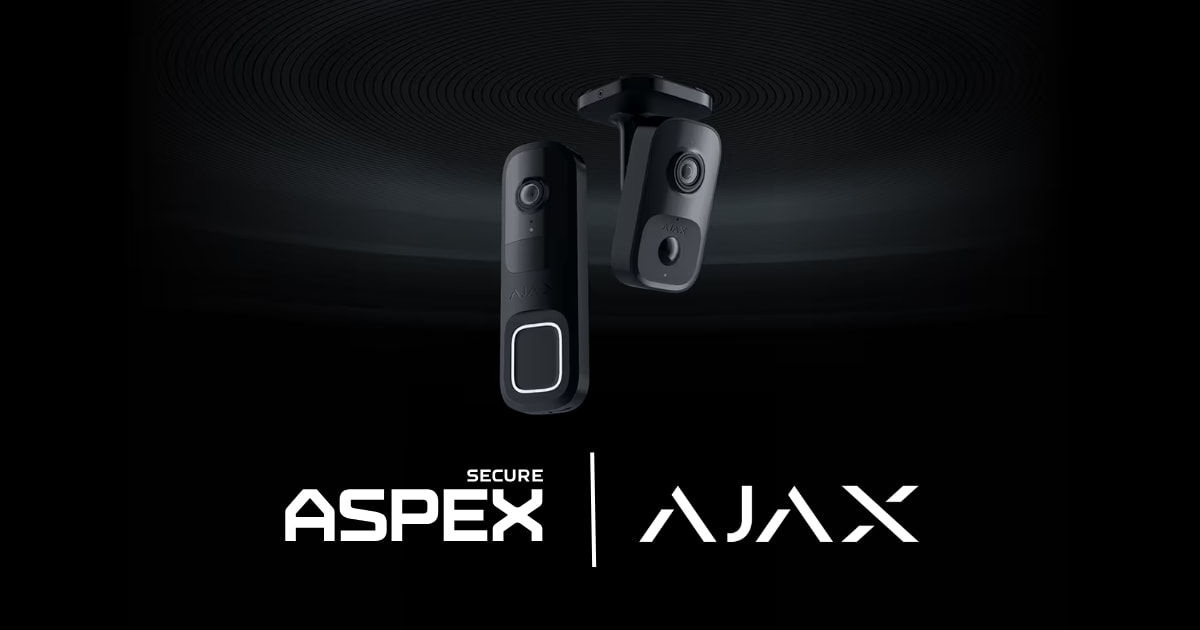
Restaurant cameras should be placed where they create useful visibility. A POS camera should show activity around the register and transaction area, not just the ceiling above the counter. A bar camera should help document access to liquor inventory without disrupting staff workflow. A back-door camera should show who enters, exits, props the door open, or uses the delivery entrance after hours.
Camera coverage is most useful when it supports the rest of the system. If a back door opens after closing, a door contact can trigger an alarm, a camera can provide visual context, and monitoring can follow the configured response workflow. If there is a register issue, footage near the POS can help review what happened. If a restricted door is opened, access history and nearby video can give the owner a clearer picture.
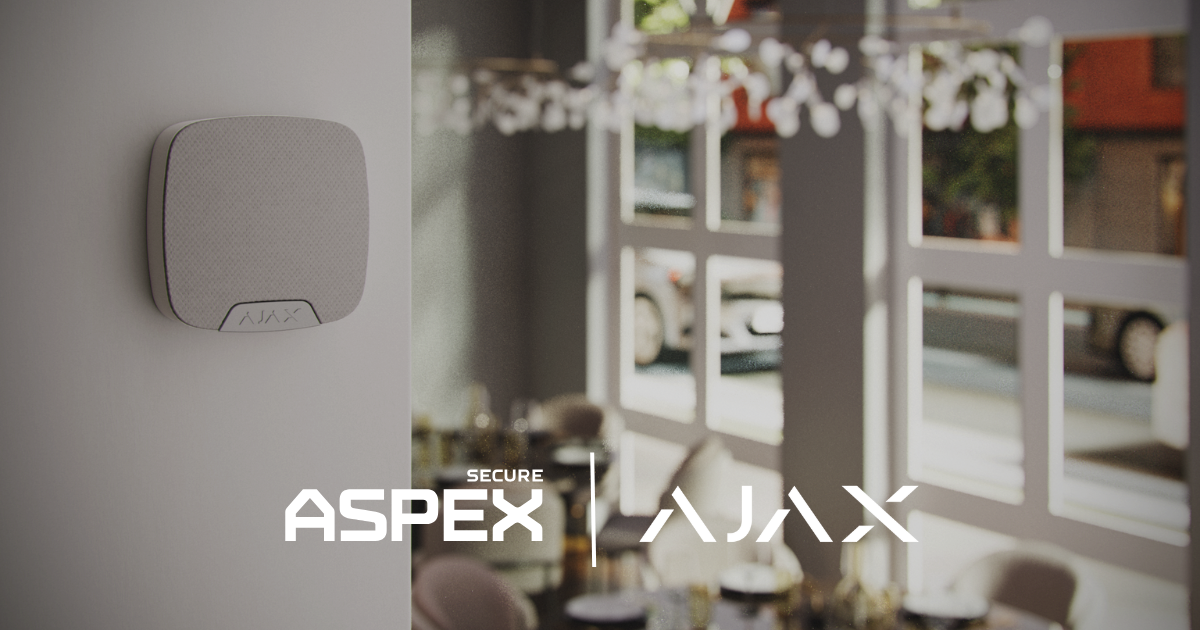
After-hours monitoring is especially important for restaurants because many serious events happen when the business is closed. A back-door opening, glass break event, smoke alert, CO alert, leak alert, or unauthorized motion event may happen at night, during a holiday, or while the owner is focused on another location.
With 24/7 professional alarm monitoring, compatible alarm events can follow a professional monitoring workflow instead of depending only on an app notification. Monitoring options may vary based on system design, verification method, communication setup, and service requirements, but the value is clear: the restaurant is not relying only on whoever happens to see an alert first.
This can be especially useful in Houston, where restaurants may deal with storms, outages, late-night operations, strip center layouts, exterior delivery areas, and multiple access points. For more context, ASPEX Secure has a guide on whether a security system works during a power or internet outage in Houston.
Where Access Control Makes the Biggest Difference
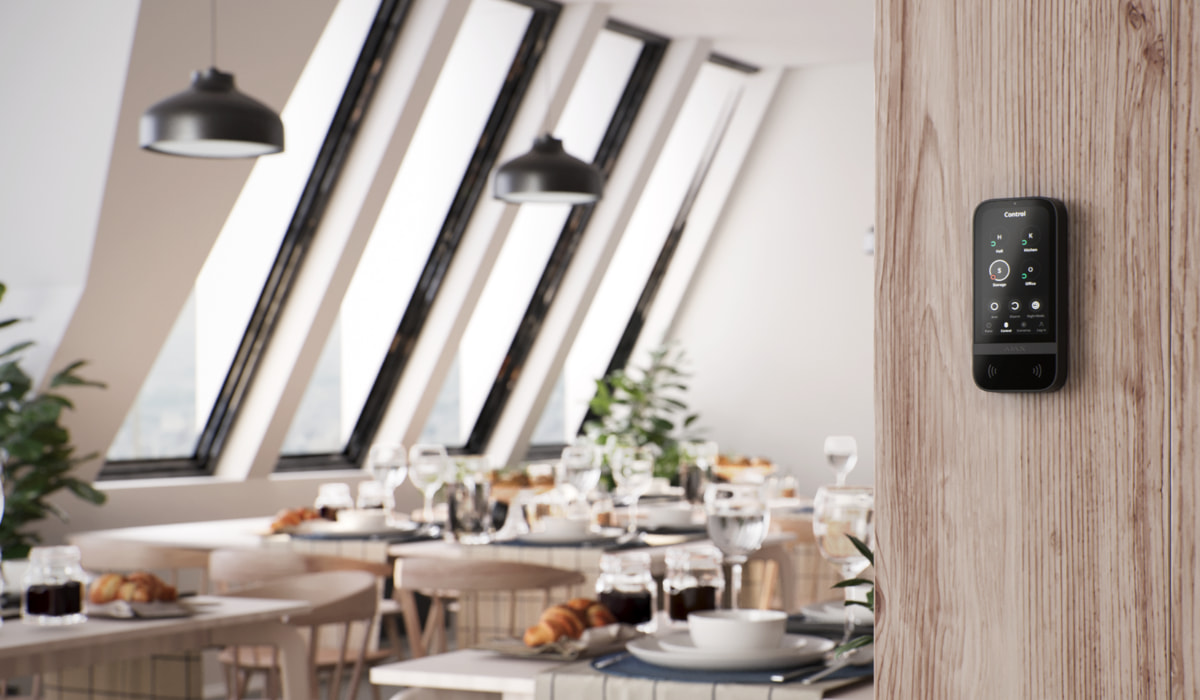
Access control can make a major difference at staff entrances, liquor rooms, offices, safe areas, delivery doors, and restricted storage areas. Restaurants often have changing schedules, employee turnover, vendors, cleaners, managers, and delivery activity. Physical keys can become difficult to manage, especially when people leave or roles change.
Instead of giving the same key to every person, access control can help assign different permissions. A manager may need access to the office, liquor room, and staff entrance. A delivery vendor may only need access to one door during a scheduled window. A cleaning crew may need after-hours entry without access to the safe area, liquor inventory, or manager office.
Access control works best when paired with cameras and alarms. A credential can show who entered. A camera can show what happened nearby. An alarm rule can detect unauthorized activity after closing. Together, these layers help restaurant owners understand access and activity instead of guessing.
Fire, CO, Panic, and Environmental Alerts

Restaurant security is not only about theft or break-ins. Kitchens, mechanical rooms, storage areas, freezers, and utility spaces can create safety and business continuity risks. A restaurant system can include fire, smoke, CO, leak, temperature, and environmental alerts depending on the property and local requirements.
These devices do not replace code-required fire systems or legal compliance obligations. They can, however, support a broader alerting strategy when professionally configured. A leak sensor may help identify water issues earlier. A CO alert may be relevant in certain kitchen or mechanical areas. Temperature-related alerts may be useful where equipment or inventory conditions matter.
Panic buttons or duress options may also make sense for some restaurants, especially front counters, bars, late-night shifts, and manager offices. These features should be planned carefully and supported by staff training so employees know when and how to use them.
Why Ajax Systems and ASPEX Secure Fit Restaurant Security
Ajax Systems is a professional-grade smart security platform that can support intrusion detection, video surveillance, access control, fire and life safety devices, environmental monitoring, automation, app control, backup communication, and professional monitoring compatibility when configured correctly.
For restaurants, the value is flexibility. A system can be planned around front-of-house areas, back-of-house zones, POS stations, bar inventory, delivery access, staff entrances, kitchen storage, office areas, and after-hours monitoring needs. Owners and managers can use app control to manage alerts, arm and disarm the system, review events, and manage users where supported by the configuration.
ASPEX Secure is an Ajax Systems Authorized Partner and provides professional Ajax security system design, installation, support, and monitoring options. Restaurant owners comparing options can learn more about the Ajax security system and how ASPEX Secure configures it for commercial and residential properties.
How Much Does a Restaurant Security System Cost in Houston?
The cost of a restaurant security system in Houston depends on the restaurant layout, number of protected doors, number of cameras, alarm sensors, access control points, monitoring requirements, communication setup, and installation complexity.
A small cafe may need a compact system with a few cameras, intrusion detection, app alerts, and monitoring. A larger restaurant with a bar, patio, liquor room, kitchen storage, office, delivery entrance, and multiple staff access points may need a more complete design. The right system is usually based on risk areas and daily operations, not square footage alone.
Before requesting a quote, restaurant owners should think through the areas that would create the biggest problem if something happened after closing. For one business, that may be a back-door break-in. For another, it may be liquor inventory access, equipment theft, a freezer issue, a water leak, or a late-night staff safety concern.
ASPEX Secure can assess the property layout and recommend a system based on the restaurant’s actual risks, operating hours, and access needs. Restaurant owners can request a security system quote to compare cameras, alarms, access control, Ajax security options, and monitoring for their Houston business.
Final Recommendation for Houston Restaurant Owners
Restaurant security systems in Houston should be designed as an operational security strategy, not just a camera package or basic alarm. The strongest setup protects the areas that matter most: cash registers, liquor inventory, kitchen equipment, staff entrances, delivery zones, back doors, office areas, patios, and after-hours access points.
For many restaurants and cafes, the right solution is a layered system with cameras for visibility, alarms for detection, access control for entry management, panic options for staff support, fire/CO/environmental alerts for safety-related risks, and 24/7 monitoring when appropriate.
ASPEX Secure can design a professional Ajax security system for restaurants, cafes, bars, and hospitality businesses in Houston and surrounding areas. Contact ASPEX Secure to compare restaurant security cameras, alarms, access control, monitoring, and Ajax security system options for your business.