
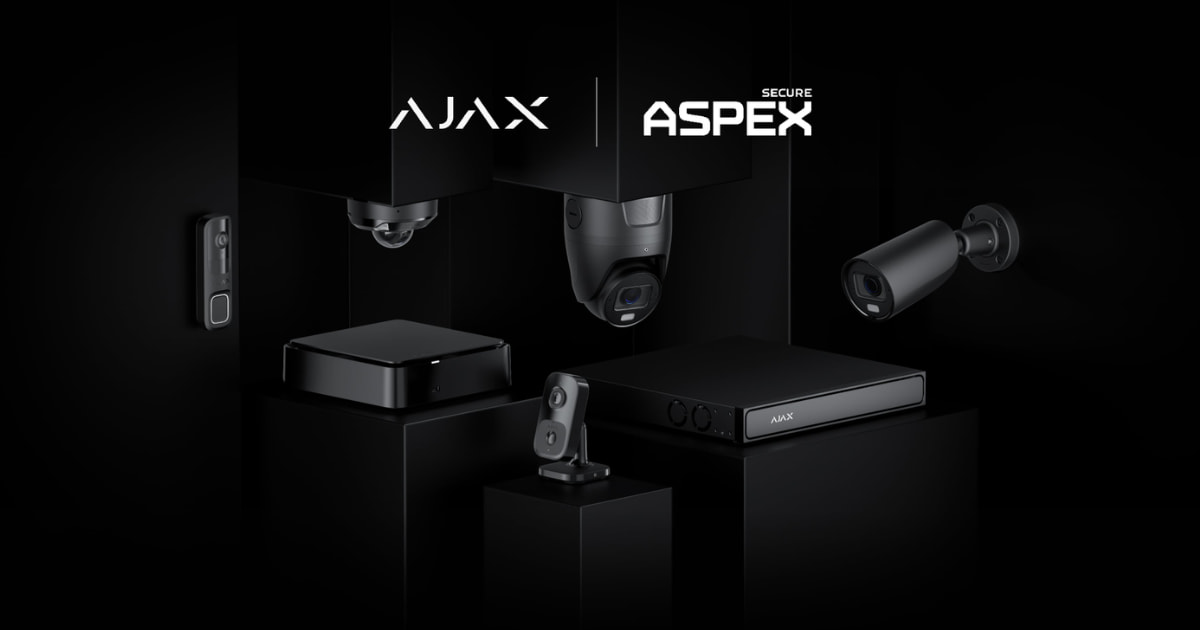
A security system may help lower home insurance in Houston, TX, especially when it includes professional monitoring, intrusion detection, and full-property protection. Discounts are not guaranteed, and the exact savings depend on your insurance provider, system design, installation quality, and required documentation.
For many homeowners, the best reason to install a security system is not only the possible insurance discount. A well-designed residential security system can help protect the home, improve real-time awareness, support faster alert workflows, and provide useful documentation when an event occurs.
How Home Insurance Discounts Usually Work
Home insurance companies evaluate risk. When a home has a professionally installed alarm system, monitoring, security cameras, fire detection, water leak detection, or other protective devices, the insurer may view the property as lower risk.
That does not mean every system qualifies. Insurance providers usually have their own rules for what counts as an eligible security system. Some may accept a basic alarm system. Others may require professional monitoring, proof of installation, or a monitoring certificate.
For Houston homeowners, this matters because local properties can vary widely. A townhome, single-family home, gated community property, large suburban home, or house with a detached garage may all require different coverage. A system that protects only the front door may not carry the same insurance value as a layered setup that protects doors, windows, interior motion areas, garages, cameras, and environmental risks.
What Types of Security Systems May Qualify?
Not all home security systems are treated the same by insurers. The more complete and professionally configured the system is, the stronger the case may be for insurance consideration.
Basic Alarm Systems
A basic alarm system usually includes door and window sensors, a keypad, and a siren. This type of system may qualify for a modest discount depending on the insurer.
The limitation is that basic systems often focus only on entry detection. They may not include professional monitoring, video verification, fire detection, leak detection, or backup communication. For homeowners who want stronger protection and better documentation for insurance purposes, a basic alarm is usually only the starting point.
Professionally Monitored Security Systems
A professionally monitored system is often more valuable from an insurance perspective because alarms are not handled only by the homeowner.
With professional alarm monitoring, alerts can be reviewed and escalated based on the monitoring setup and the type of event. This can be especially useful when the homeowner is asleep, traveling, at work, or unable to respond to a phone notification.
Professional monitoring may also make documentation easier because homeowners can usually provide a monitoring agreement, system summary, or certificate when requested by the insurance company. Homeowners comparing this option can also review whether monitored alarm systems are worth it in Houston.
Smart Home Security Systems
A smart home security system can combine intrusion detection, mobile app control, automation, cameras, fire safety devices, environmental sensors, and monitoring options in one connected system.
Modern platforms such as an Ajax security system can be a strong fit for homeowners who want app control, wireless devices, professional configuration, and scalable coverage. When professionally installed, a smart system can be designed around the actual property layout instead of using a generic one-size-fits-all package.
Full-Property Security Systems
The strongest setup is usually a layered system that protects the entire property. A full-property system can include:
- Door and window sensors
- Motion detectors
- Glass-break or shock detection where appropriate
- Indoor and outdoor security cameras
- Alarm monitoring
- Mobile app control
- Sirens and keypads
- Fire and life safety devices
- Water leak or environmental monitoring
- Backup communication options
For homes in Houston and surrounding areas, full-property coverage can be especially important when the home has multiple entry points, a garage, backyard access, side gates, detached structures, or areas that are not visible from the street.
Does Professional Monitoring Matter for Insurance?
Yes, professional monitoring can matter because many insurers view monitored alarm systems differently from self-monitored systems.
A self-monitored system sends alerts to the homeowner. That can be useful, but it also means the homeowner is responsible for noticing the alert, deciding what happened, and taking the next step. A professionally monitored system creates a more structured workflow.
Professional monitoring can support:
- Alarm handling when you are not available
- Event review depending on the system configuration
- Escalation procedures when an alarm is triggered
- Monitoring documentation for insurance requests
- Support for intrusion, fire, carbon monoxide, water leak, or other alerts depending on system design
This does not guarantee an insurance discount. However, if your goal is to ask your insurer about a premium reduction, a monitored system is usually stronger than a basic self-monitored setup.
Are Security Cameras Enough for a Home Insurance Discount?
Security cameras alone are usually not enough for the strongest insurance consideration.
Cameras are useful because they provide visibility, deterrence, live viewing, and recorded evidence. But cameras usually do not replace intrusion detection, door and window sensors, motion detectors, alarm signaling, or professional monitoring.
For insurance purposes, cameras are often best viewed as one part of a complete home security system. A camera can show what happened. An alarm system can help detect that something is happening. Monitoring can add a response workflow when an event occurs.
For many homeowners, the stronger setup is a combination of cameras, sensors, alarms, mobile app control, and monitoring rather than cameras by themselves.
What Insurance Providers May Evaluate
Every insurance company has its own requirements, but most providers look at several practical details before applying a security-related discount.
Type of System
The insurer may ask whether the system is a basic alarm, smart security system, professionally installed system, monitored system, or full-home setup.
Monitoring Level
Some providers may offer different consideration for professionally monitored systems compared with self-monitored alarms. If professional monitoring is required, the insurer may ask for a monitoring certificate or agreement.
Installation Standard
Professional installation can matter because proper device placement affects system reliability. A professionally designed system should cover the actual risk areas of the home, not just the easiest places to install devices.
Protected Areas
Insurers may want to know whether the system protects only the main entry doors or includes windows, motion zones, garage access, cameras, fire devices, leak sensors, or other protective features.
Communication Reliability
A system that can stay connected during internet interruptions or power-related issues may offer stronger reliability. This is one reason many homeowners compare smart systems with cellular backup and battery-supported devices before choosing a setup.
What Documentation Might Be Required?
To apply for a home insurance discount, your insurance provider may request proof that the system exists, is installed, and is monitored if monitoring is part of the discount requirement.
Common documentation may include:
- Proof of professional installation
- Monitoring agreement
- Alarm certificate or system certificate
- Device list or system summary
- Monitoring company details
- Confirmation of fire, intrusion, or environmental devices when applicable
Before installing a system specifically for insurance purposes, contact your insurance provider first. Ask what types of systems qualify, whether monitoring is required, and what documentation they need.
This prevents a common mistake: installing a system first and then discovering that the insurer requires a different monitoring setup, certificate, or device configuration.
Why Backup Communication and Battery Support Matter
Houston homeowners often think about security in terms of burglary protection, but reliability also matters. Internet outages, storms, and power interruptions can affect how some systems communicate.
A modern security system should be designed to keep working even when normal communication is disrupted. Ajax-based systems, when properly configured, can support backup communication options and battery-powered wireless devices so the system is not dependent only on a home Wi-Fi connection.
For more detail, ASPEX Secure has a dedicated FAQ on whether an Ajax security system can work without internet. Homeowners comparing systems may also want to review what type of security system works best during power outages in Houston.
This matters for insurance conversations because reliability is part of risk reduction. A security system is stronger when it is professionally configured, monitored if needed, and designed with backup communication in mind.
Why Professional Installation Matters
Professional installation matters because a security system is only as strong as its design.
A DIY kit may cover a few obvious entry points, but it may miss vulnerable areas such as side doors, garage doors, large windows, second-story access points, back patios, detached structures, or high-value interior areas.
A professionally installed system can be planned around:
- Property layout
- Main and secondary entry points
- Garage and backyard access
- Camera placement
- Motion detection zones
- Pet movement and false alarm reduction
- Wi-Fi, cellular, and backup communication needs
- Monitoring requirements
- Future expansion
ASPEX Secure designs and installs professional security systems based on the home, not a generic package. That is especially important for homeowners who want a system that supports both real protection and possible insurance documentation.
How Ajax Systems Fit Houston Homes
Ajax Systems can be a strong fit for Houston homeowners who want a modern, professionally installed security system with app control, scalable devices, and monitoring compatibility.
An Ajax-based home security system can include intrusion detection, smart sensors, keypads, sirens, cameras, automation, fire and life safety devices, environmental monitoring, and professional monitoring options depending on the property needs.
This flexibility is useful because not every home needs the same setup. A smaller townhome may need a focused alarm and monitoring package. A larger home may need door and window protection, outdoor cameras, motion detectors, garage coverage, leak detection, and backup communication.
ASPEX Secure is an Ajax Systems Authorized Partner and can help homeowners compare system design, device coverage, monitoring options, and documentation needs before installation. Homeowners who are still comparing systems can also read the ASPEX guide to the best security system for home in Houston.
Is It Worth Installing a Security System Just for Insurance Savings?
Usually, insurance savings alone should not be the only reason to install a home security system.
A possible discount can be a helpful bonus, but it may not fully offset the cost of equipment, installation, monitoring, or future upgrades. The stronger reason to install a system is to improve protection, awareness, and reliability for your home.
A good security system can help homeowners:
- Detect intrusion events
- Receive real-time alerts
- View activity through cameras
- Protect doors, windows, garages, and interior spaces
- Add fire, carbon monoxide, or leak detection
- Use mobile app control
- Connect to professional monitoring when needed
- Provide documentation to an insurer when requested
If your main question is budget planning, review ASPEX Secure’s FAQ on how much a home security system costs in Houston. For homeowners comparing service options, ASPEX Secure also provides security system plans based on system size, features, installation scope, and monitoring needs.
Final Recommendation for Houston Homeowners
A security system may help lower home insurance in Houston, TX, especially when it includes professional monitoring, full-home protection, and proper documentation. The discount depends on your insurance provider, system design, installation quality, and whether the system meets your insurer’s requirements.
The best approach is to contact your insurance provider first, ask what qualifies, and then choose a security system based on real protection needs—not just the possibility of a discount.
ASPEX Secure can review your home layout, recommend a professionally configured Ajax-based system when appropriate, and help provide the type of system information your insurer may request. To compare options, request a security system quote from ASPEX Secure.

