Yes monitored alarm systems are often worth it when a home or business is regularly unoccupied, a phone alert may be missed, or an alarm needs a defined 24/7 response workflow. Self-monitoring may be enough for a lower-risk, usually occupied property if a responsible person can reliably review every alert.
The deciding factor is not the equipment alone, but what should happen when no one is available to act on an alarm. Learn how ASPEX Secure’s professional alarm monitoring works for homes and businesses.
What is a monitored alarm system?
A monitored alarm system can send selected alarm events to authorized users and a professional 24/7 monitoring center. Operators follow the procedures defined for the account, which may include contacting the owner, designated keyholders, or emergency services when applicable. The exact workflow depends on the event type, verification method, monitoring agreement, and local requirements.
The value is not the device list alone. It is having a predefined process when the owner is asleep, traveling, working, offline, or otherwise unable to review an alert. Monitoring does not guarantee emergency dispatch, a specific response time, or prevention of loss.
For homeowners and businesses comparing Ajax security system installation, ASPEX Secure can design a system that supports both self-monitoring and professional monitoring depending on the property’s risk level, layout, and daily use.
Monitored vs self-monitored alarm systems
A self-monitored alarm system sends alerts only to you and selected contacts through a mobile app. That gives you control, but it also means you are responsible for seeing the notification, understanding what happened, and deciding what to do.
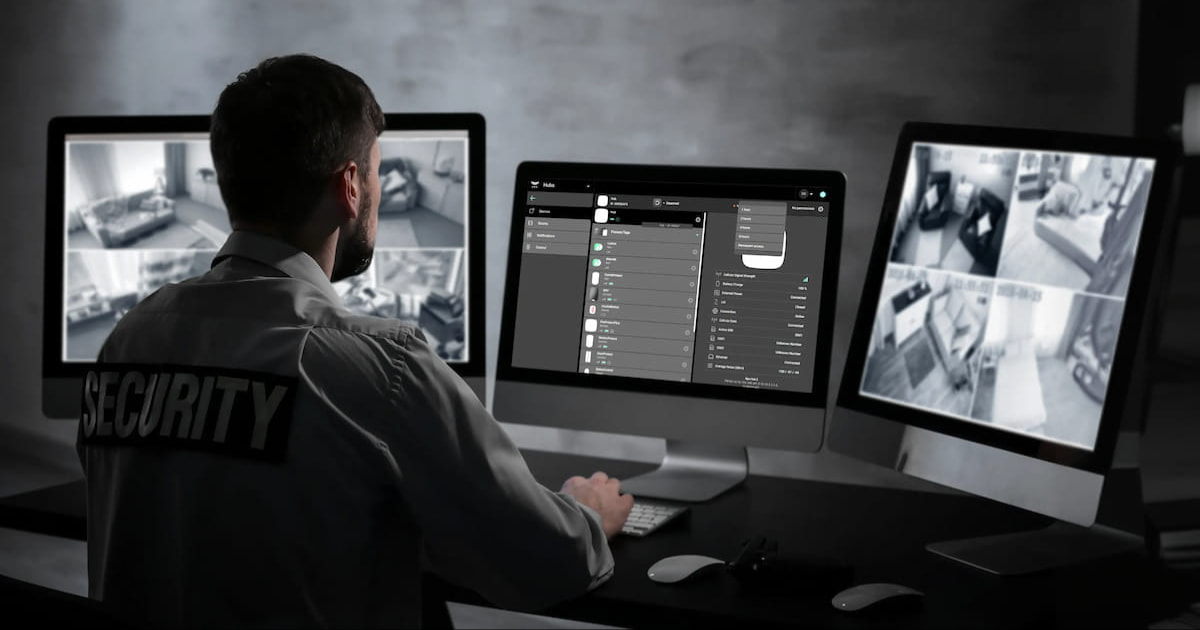
A monitored alarm system sends critical events to a professional monitoring center in addition to your phone. That means trained operators can review alarms and follow a defined response process even if you miss the alert.
Quick comparison: monitored vs self-monitored
The practical question is simple: if you miss an alert, should a professional monitoring service still receive the eligible event and follow the account procedures?
Are monitored home alarm systems worth it?
Monitored home alarm systems are usually worth it if you want someone to react to alarms even when you are asleep, away from home, or unable to reach your phone. This matters most for burglary, fire, carbon monoxide, water leak, panic, and medical emergency alerts.
A strong home security system should do more than send app notifications. It should detect activity at key entry points, alert the right people, provide useful verification when possible, and support a response workflow when the homeowner cannot act immediately.
For a low-risk apartment where someone is almost always home, self-monitoring may be enough. But many homeowners still choose monitoring because it adds a real human response layer behind the technology. That can be especially valuable for families, frequent travelers, vacation properties, larger homes, or homes with fire and water damage concerns. Before a trip, follow our vacation home security checklist to confirm monitoring contacts, app notifications, trusted access, camera status, and outage readiness.
Are monitored alarm systems worth it for small businesses?
For small businesses, monitored alarm systems are often a strong investment when the property contains valuable equipment, inventory, customer data, documents, tools, cash areas, or restricted spaces. Businesses are also more likely to be empty after hours, which makes professional monitoring more important.
A monitored commercial system can watch for alarms from motion detectors, door contacts, glass break sensors, panic buttons, fire and life safety devices, water leak sensors, and environmental monitoring devices. It also creates a clearer response process, so the business does not rely only on employees noticing app alerts or deciding who should go to the property at 3 a.m.
For offices, retail stores, restaurants, warehouses, medical offices, and multi-room commercial spaces, commercial security systems are strongest when intrusion detection, video surveillance, access control, and monitoring work together. Cameras provide visibility, but alarms and monitoring help create action when something happens.
How a modern monitored Ajax-based system works
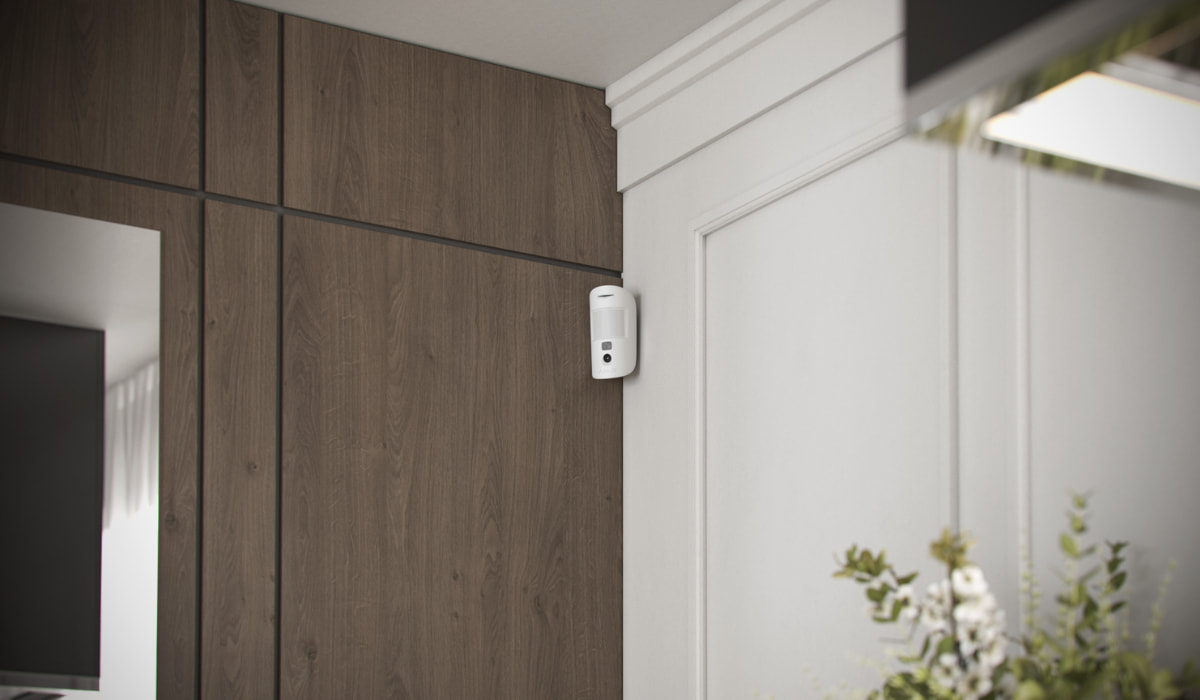
A modern Ajax-based monitored alarm system has four main layers: devices, hub, cloud and apps, and optional professional monitoring.
Devices detect events around the property. These can include indoor and outdoor motion detectors, door and window contacts, glass break sensors, sirens, keypads, panic buttons, fire detectors, carbon monoxide detectors, leak sensors, cameras, and automation relays.
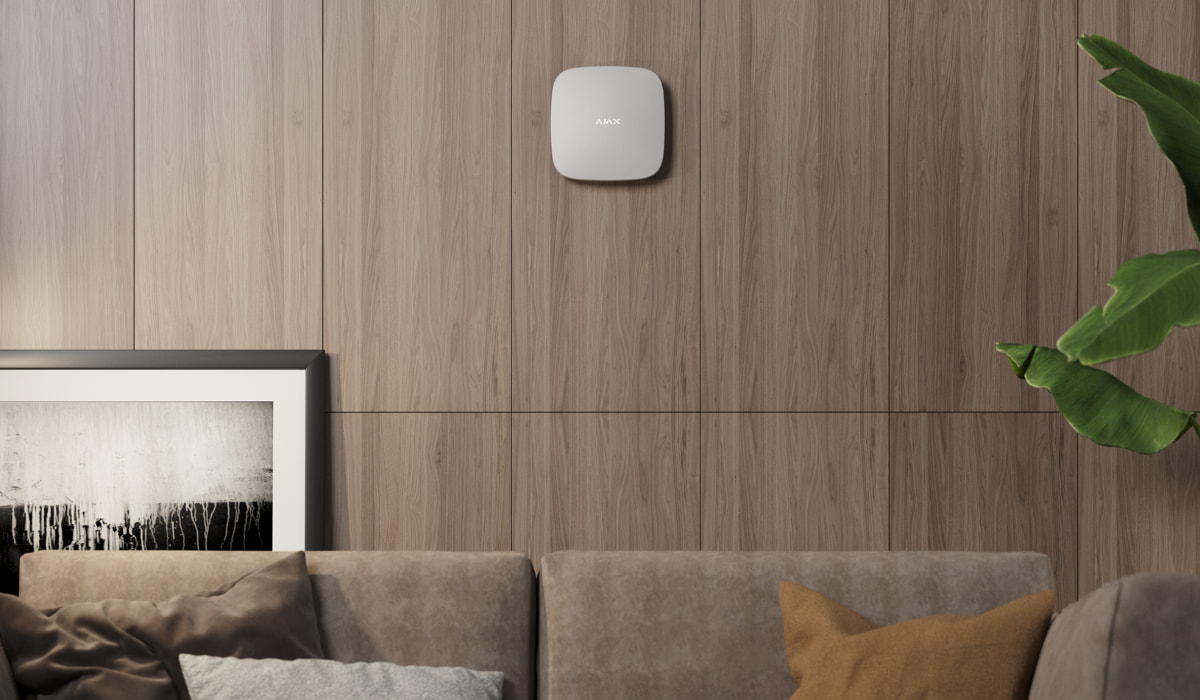
The Ajax hub supervises connected devices and sends events through available communication channels. Depending on the configuration, the system can use Ethernet, Wi-Fi, and/or cellular communication to keep alerts moving to the Ajax Cloud, mobile apps, and monitoring partners.
The mobile app gives the owner or authorized users control over arming, disarming, alerts, users, automation, and event history. If the system is professionally monitored, selected alarm events can also be sent to a monitoring center, where operators follow predefined response procedures.
This makes Ajax flexible: the same professional-grade ecosystem can work as a self-monitored smart alarm or as a monitoring-ready security system when the property needs 24/7 oversight.
Once monitoring is connected, test the sensors, app alerts, and monitoring signals separately to confirm which parts of the alarm workflow are working as intended.
Can a monitored alarm system work during power or internet outages?
Some monitored alarm systems may continue sending critical events during certain power or internet outages when they have a functioning backup battery and an available alternative communication path, such as cellular service. Actual continuity depends on the hub, connected devices, battery condition, cellular signal, monitoring configuration, and outage duration.
For Houston properties, ask the installer which functions remain available, for how long, and what happens if one or more communication paths fail. For a detailed breakdown, read Will Your Security System Work During a Power or Internet Outage in Houston?
Are security cameras enough without monitoring?
Security cameras are important, but cameras alone are usually not a complete security system. Cameras help you see what happened, review footage, and verify activity, but they do not always create a reliable response by themselves.
If nobody sees the camera notification, video footage may become evidence after the fact instead of supporting a timely response. That is why many homes and businesses combine cameras with intrusion detection, sirens, mobile app alerts, and professional monitoring.
For businesses, this layered approach is especially important. A camera may show that someone entered after hours, but a monitored alarm can help trigger a defined response workflow. For homes, cameras can provide visual context, while door sensors, motion detectors, fire devices, leak sensors, and monitoring can help identify and escalate urgent events.
If your question is which equipment to install, compare cameras, an alarm system, or both for your home. That guide separates detection and visual coverage from the decision about who handles an alarm.
How to decide if a monitored alarm system is worth it for you
Use these five questions to make the decision:
- How often is the property empty?
- Who will review alarms overnight, during travel, or while employees are unavailable?
- Which events need a predefined handling path intrusion, panic, fire or CO, leaks, or technical alarms?
- Would a missed alert create a meaningful safety, property, or operational risk?
- Does the system have the backup power and communication paths required by the intended monitoring setup?
Professional monitoring is more likely to be worth it when the property is frequently unattended, alert responsibility is unclear, or missed alarms could have significant consequences. Self-monitoring may be enough when the space is lower risk, usually occupied, and responsible users can reliably manage every notification. A hybrid setup can combine app control with professional monitoring for selected events.
Compare your options: Review ASPEX Secure’s 24/7 professional alarm monitoring for homes and businesses, including how monitoring fits with app control, backup communication, and professionally configured Ajax systems.
Common myths about monitored alarm systems
“Monitored alarms are only for big companies”
Modern monitoring is not limited to large commercial properties. It can support apartments, single-family homes, small offices, retail stores, restaurants, warehouses, and remote sites, depending on system design and service availability. A modular platform can start with focused entry and motion protection, app control, sirens, and monitoring, then expand as the property’s needs change.
“Monitoring means I lose control of my system”
Professional monitoring does not replace your control. It adds another layer behind your system.
With a modern smart security platform, you can still arm and disarm from the app or keypad, manage users, check events, view connected cameras, and adjust system settings based on your role and permissions. The monitoring center receives the alarm events included in your monitoring setup and follows the response workflow defined by your service agreement.
Final recommendation
Monitored alarm systems are usually worth it when a missed alert is not an acceptable risk and the property needs a defined 24/7 response workflow. Self-monitoring can make sense for lower-risk, usually occupied spaces with a responsible person available to manage every notification.
ASPEX Secure designs, installs, supports, and monitors professional Ajax-based systems for homes and businesses in Houston and surrounding areas. Review our professional alarm monitoring options or request a security system quote to compare monitoring, app alerts, backup communication, cameras, and access control for your property.